 English
 العربية
 हिंदी
हिंदी
Hazrath Syed Khawaja Garib Nawaz || The Story of Water Denial at Ajmer
Hazrat Khwaja Gharib Nawaz, along with his companions (mureeds/disciples), came to Ajmer after his travels in Central Asia, Baghdad, and Lahore.
At that time, Ajmer was ruled by Raja Prithviraj Chauhan,Rajput ruler.
Difficulty in Obtaining Water: When Khwaja Gharib Nawaz and his disciples settled near Ana Sagar Lake (a reservoir in Ajmer), they needed water for drinking, cooking purposes.The Raja’s officials, feeling threatened by the saint’s growing influence among locals, restricted access to water from the lake.It is said that they even issued an order forbidding townspeople from giving water to Khwaja Sahib or his followers.
Spiritual Response: Instead of reacting with anger, Khwaja Gharib Nawaz turned to prayer and patience.Through his spiritual power (karamat), it is narrated that he struck the ground with his “KASA” and fresh water began to flow miraculously to quench the thirst of his companions.Some versions mention that his prayer caused the Raja’s own soldiers to struggle with water scarcity, making them realize the saint’s divine connection.
Impact on People:This incident deeply impressed the local population. Many began visiting Khwaja Sahib, drawn by his compassion, humility, and miracles.Despite opposition from the Raja’s court, his message of love, equality, and service to humanity spread rapidly in Ajmer and beyond.
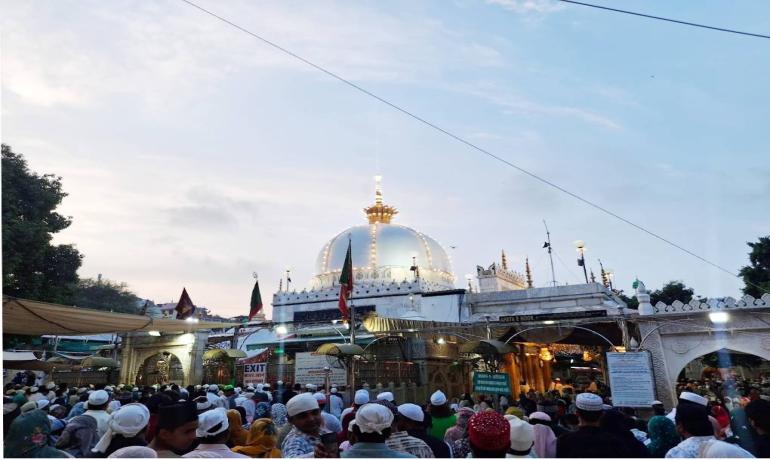
Historical Significance: This event is often cited as an example of the hardships faced by Sufi saints when spreading their mission in India.It also highlights Khwaja Gharib Nawaz’s core principle: responding to hostility with patience, prayer, and service to mankind.Over time, Ajmer became one of the most important Sufi centers, with the Dargah Sharif now visited by millions of devotees each year.
#KhwajaGaribNawaz #AjmerSharif #HazratMoinuddinChishti #AjmerDargah #SufiSaint #DargahSharif #Sufism